Carnation Flower Meaning (Symbolism, Colors & Spiritual Messages)
Fast Answer: Carnation Flower Meaning
Carnation flowers symbolize love, fascination, and deep emotional connection. Their meaning varies by color—red represents admiration and passion, pink symbolizes gratitude and affection, and white reflects purity and remembrance. Spiritually, carnations are linked to heartfelt emotions, memory, and enduring love.
Introduction: The Flower That Remembers
People often underestimate the humble carnation. Tucked into standard bouquets or used as simple boutonnieres, they frequently take a back seat to roses or lilies. Yet, beneath their ruffled exterior lies a rich history of profound emotional symbolism.
Carnations carry the weight of our most intense human experiences. They stand as quiet witnesses to deep love, lingering memory, and profound grief. They do more than just look beautiful in a vase. Carnations don’t just express feelings—they preserve them.
When we gift or receive these blooms, we participate in a silent, ancient dialogue. Emotional symbolism often appears in our subconscious, much like affection dreams, revealing the depth of our connections. Understanding the carnation means unlocking a language of the heart.
Core Meaning of Carnation Flowers
At their core, carnations represent the enduring power of love and admiration. They speak to the quiet, steadfast affection that outlasts the initial spark of romance. When you give a carnation, you communicate a deep emotional depth that requires no grand gestures.
These flowers also hold a strong connection to memory and remembrance. They serve as botanical monuments to the people and moments we refuse to forget. Their presence comforts us during times of loss and celebrates the milestones we cherish.
Unlike more fragile blooms, the carnation stands resilient. This resilience mirrors the human capacity to love through adversity, hold onto cherished memories, and honor those who leave a mark on our souls.
Symbolism Breakdown: The Anatomy of Emotion
Every part of the carnation tells a story. By breaking down its physical traits, we can uncover a layered map of human emotion.
- Layered Petals: The ruffled, intricate petals symbolize the complexity of our emotions. Love and grief are rarely simple. They fold into each other, creating a textured emotional landscape.
- Long-Lasting Nature: Carnations survive long after other flowers wilt. This remarkable longevity represents enduring love. It shows that true connection withstands the test of time.
- Soft Texture: Despite their hardiness, the petals feel incredibly soft. This texture highlights vulnerability. To love deeply requires us to remain soft and open, even when life feels harsh.
We construct our identities through these layered emotional experiences. This intricate emotional layering often connects to identity dreams, showing how our vulnerabilities and strengths shape who we become.
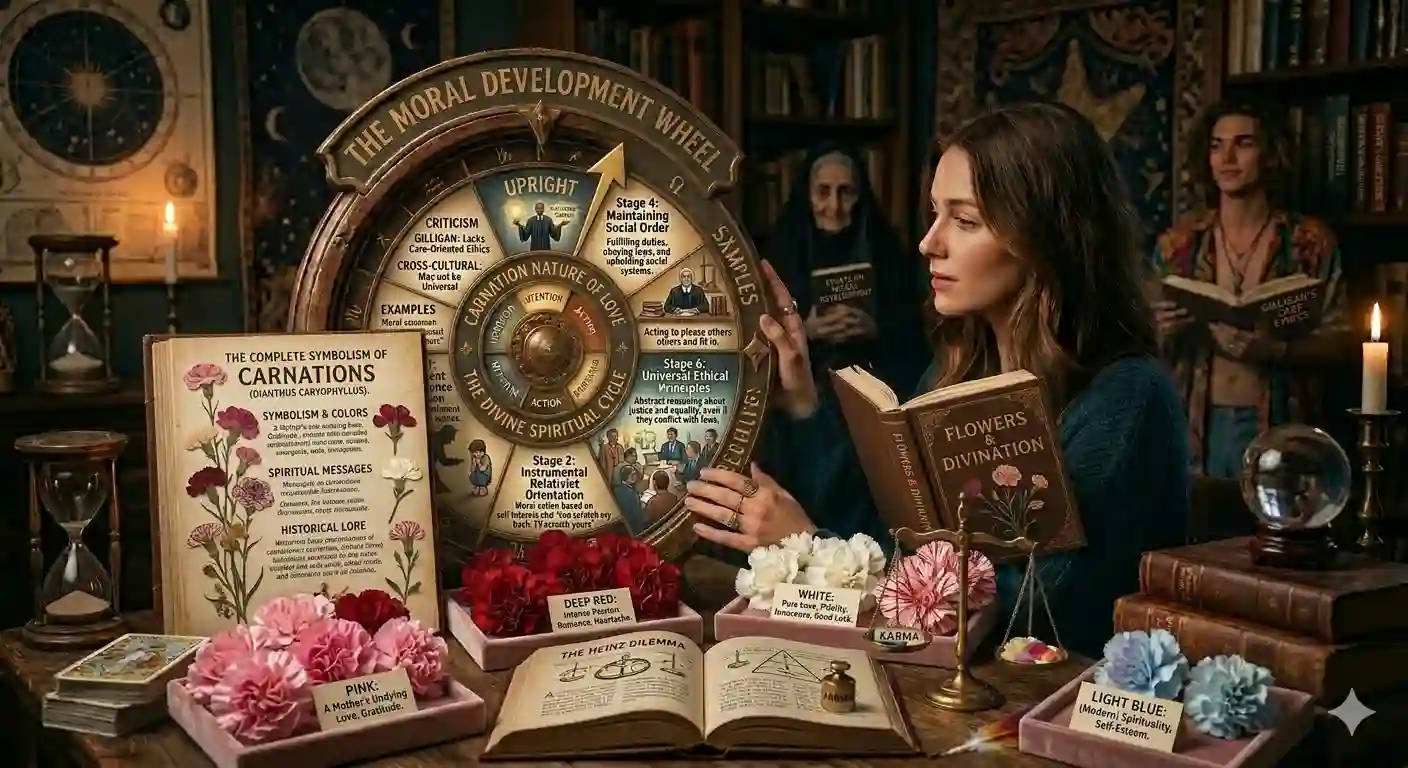
Carnation Color Meanings
The emotional message of a carnation shifts dramatically depending on its hue. Understanding these colors helps you send the exact right message.
Red Carnation Meaning
Red carnations radiate love, deep admiration, and fiery passion. A light red bloom whispers of gentle admiration, while a deep, dark red shouts of profound love and longing. They are the perfect alternative to the traditional red rose.
Pink Carnation Meaning
Pink carnations hold a tender, nurturing energy. They symbolize profound gratitude and motherly love. Legend states that pink carnations first bloomed from the tears of the Virgin Mary, forever linking them to a mother’s undying affection.
White Carnation Meaning
White carnations embody purity, innocence, and sweet love. They also carry a strong association with remembrance and loss. People often use them to honor those who have passed, symbolizing a love that remains untainted by death.
Yellow Carnation Meaning
Unlike the cheerful yellow of sunflowers, yellow carnations historically carry a heavier message. They symbolize disappointment, rejection, or a sense of sorrow. Giving a yellow carnation was once a polite way to decline a romantic advance.
Purple Carnation Meaning
Purple carnations represent unpredictability, capriciousness, and uniqueness. They suit the wild spirits and the unconventional loves in your life.
Sometimes, contrasting emotions battle within us. These emotional contrasts appear vividly in dreams about feeling jealous, reminding us that love and insecurity often share the same root.
Carnation Color Meanings Table
| Carnation Color | Primary Symbolism | Best Occasion |
|---|---|---|
| Red | Passion, admiration, deep love | Anniversaries, romantic dates |
| Pink | Gratitude, motherly love, tenderness | Mother’s Day, thank-you gifts |
| White | Purity, remembrance, innocence | Funerals, weddings, memorials |
| Yellow | Disappointment, rejection, sorrow | Apologies, ending a relationship |
| Purple | Unpredictability, uniqueness, whimsy | Birthdays, celebrating creativity |
Carnations in Love & Relationships
In the realm of romance, the carnation plays a grounding role. While other flowers boast of sudden, explosive passion, the carnation speaks of emotional sincerity. It represents the kind of romantic expression that plans to stick around.
Couples who favor carnations often share a long-term love. They value loyalty, shared history, and mutual respect over fleeting infatuation. The carnation acts as a steady heartbeat within a committed partnership.
However, the flower holds a shadow side. Because it represents a love that endures, it can also symbolize one-sided love. Clinging to a relationship that has run its course creates emotional distance. These complex relationship emotions connect deeply to feelings of isolation in alone dreams, highlighting the pain of loving someone who cannot love you back.
The Psychological Meaning
Flowers function as a powerful emotional language. Psychologically, giving or receiving a carnation allows us to bypass the limitations of words. When we cannot articulate our joy or sorrow, the flower speaks for us.
Carnations excel at communicating unspoken feelings. Their distinct, spicy-sweet fragrance serves as a profound memory trigger. Scent processes directly through the brain’s emotional center, making the smell of a carnation capable of instantly transporting you back to a specific moment or person.
This psychological anchor helps us process complex life transitions. These deep emotional memory themes frequently surface in afterlife dreams, where we reconcile our past connections with our current reality.
The Spiritual Meaning of Carnations
Spiritually, the carnation vibrates with the energy of the heart chakra. It encourages emotional healing, compassion, and a deep connection to the divine. Meditating with or keeping carnations in your space can help unblock stagnant emotional energy.
These blooms also symbolize a love beyond time. They remind us that physical separation does not sever spiritual bonds. The love we share with others weaves into the fabric of the universe, remaining intact long after the physical form fades.
For centuries, people have placed these flowers on sacred shrines. This spiritual symbolism parallels the significance of altar dreams, representing a dedicated space for reverence, sacrifice, and spiritual connection.
Carnations and Death / Remembrance
The white carnation holds a sacred place in funeral symbolism. Its pristine petals offer a visual representation of a soul at peace. We use them to express sympathy, honor a legacy, and provide comfort to grieving families.
Using carnations in memorials is an act of honoring loved ones. The flower’s long-lasting nature mirrors our promise to keep their memory alive. It provides a gentle reminder that while grief is heavy, the love that caused it is beautiful.
Processing loss requires profound emotional labor. This rich death symbolism naturally appears in death dreams, which often signify the end of a physical chapter and the beginning of a purely spiritual memory.
Cultural Meanings and History
The carnation boasts a rich historical tapestry. Its scientific name, Dianthus caryophyllus, translates to “flower of the gods.”
- Western Traditions: In Western culture, the carnation serves as the official birth flower for January. It also stands as the traditional flower for a first wedding anniversary.
- Religious Symbolism: In Christian tradition, pink carnations hold deep significance. Believers say these flowers first appeared on earth from the tears Mary wept as Jesus carried his cross.
- Historical Meanings: Ancient Greeks and Romans used carnations extensively in art, decor, and ceremonial crowns. They viewed the flower as a symbol of divine favor and earthly beauty.
The Hidden Meaning: Emotions That Never Fully Fade
The true magic of the carnation lies in its hidden meaning: Carnations represent emotions that never fully fade.
Think of the lingering feelings you carry for a childhood home, a lost friend, or a past lover. The intense fire may have died down, but the emotional imprint remains. Carnations embody this quiet, persistent echo of the heart.
They remind us that our experiences leave a permanent mark. Our memories remain forever tied to love. This profound emotional depth connects directly to sudden sadness in dreams, showing how old, unresolved feelings can suddenly bloom within our subconscious.
Emotional vs. Spiritual Meanings Table
| Aspect | Emotional Meaning | Spiritual Meaning |
|---|---|---|
| Love | Steadfast loyalty and romance | Heart chakra alignment and divine love |
| Memory | Nostalgia and honoring the past | Eternal bonds that transcend physical life |
| Grief | Comforting the bereaved | Acknowledging the soul’s peaceful transition |
| Vulnerability | Remaining open to emotional connection | Trusting the universe and spiritual journey |
When to Give Carnations
Knowing when to give these versatile flowers ensures your message lands perfectly.
- For Love: Choose deep red carnations for an anniversary or to express serious romantic intent. They show your partner that your love is built to last.
- For Gratitude: Pink carnations make the perfect Mother’s Day gift or a simple “thank you” to a mentor or friend who supported you.
- For Sympathy: White carnations offer pure, gentle comfort to someone mourning a loss. They bring a quiet peace to a heavy heart.
Giving flowers is an act of service to someone’s emotional state. This symbolism of giving and helping is reflected in dreams about helping someone, underscoring our deep need to support one another.
Frequently Asked Questions (FAQ)
What do carnations symbolize?
Carnations broadly symbolize love, fascination, and distinction. They represent deep emotional bonds, resilience, and the honoring of memories.
What does each color mean?
Red means deep love and admiration. Pink signifies gratitude and motherly love. White represents purity and remembrance. Yellow symbolizes disappointment, and purple indicates unpredictability.
Are carnations romantic?
Yes, especially red and dark red carnations. They offer a unique, long-lasting alternative to roses, symbolizing a love that is steady, sincere, and enduring.
What do carnations mean spiritually?
Spiritually, they connect to the heart chakra. They represent divine love, emotional healing, and the eternal nature of the soul beyond physical death.
Are carnations for funerals?
White carnations are very common at funerals. They symbolize pure love and innocent remembrance, making them a respectful and comforting choice for mourning.
Conclusion
The carnation is far more than a filler flower. It is a profound emotional vessel, carrying the weight of our passions, our gratitude, and our grief. By understanding its layered petals and vibrant colors, we tap into a universal language of connection.
Whether you give them to celebrate a burning romance, honor a mother’s tender care, or remember a soul that has passed on, these blooms speak the truth of the heart. Some flowers fade—but carnations hold on to the feeling long after the moment is gone.